Custom Event Setup

×

Click on the elements you want to track as custom events. Selected elements will appear in the list below.

Selected Elements (0)
    Skip to content

    Cart

    Your cart is empty

    Continue shopping
    scarpe da avvicinamento uomo

    Approach Shoes

    Approach shoes

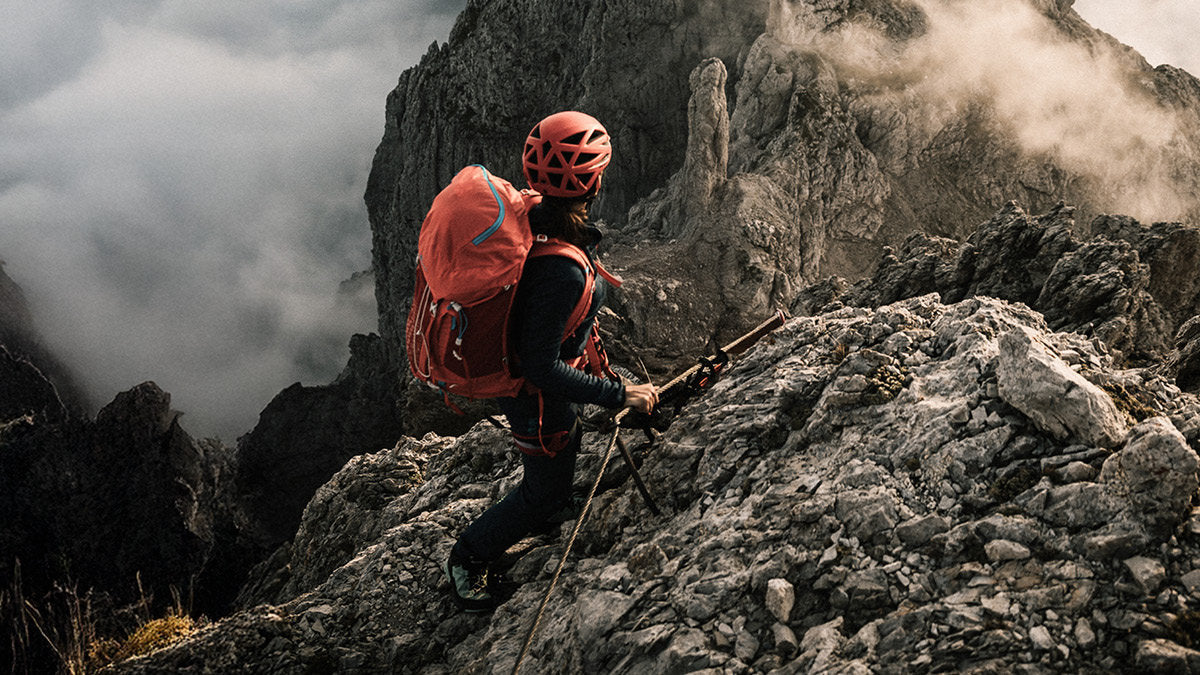
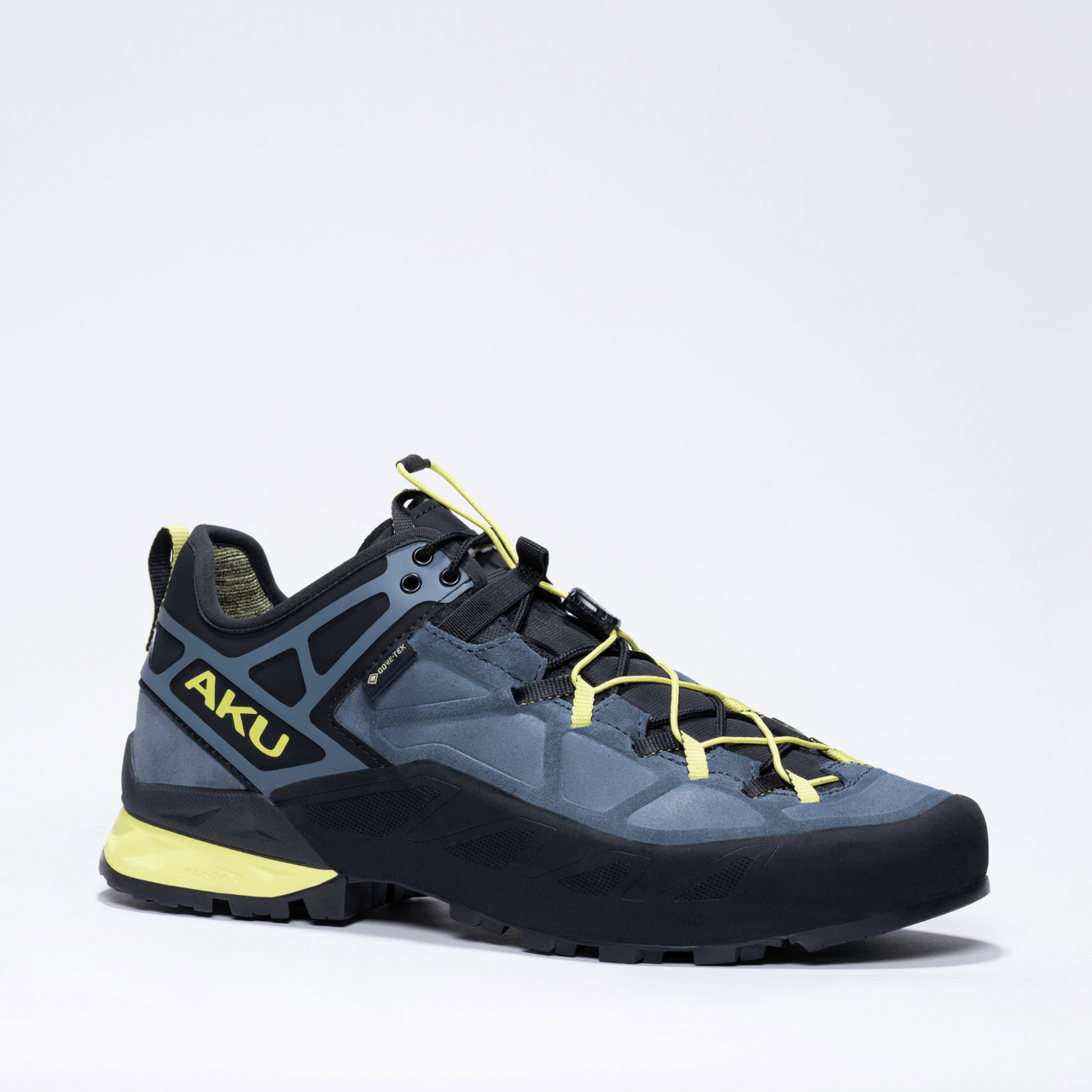
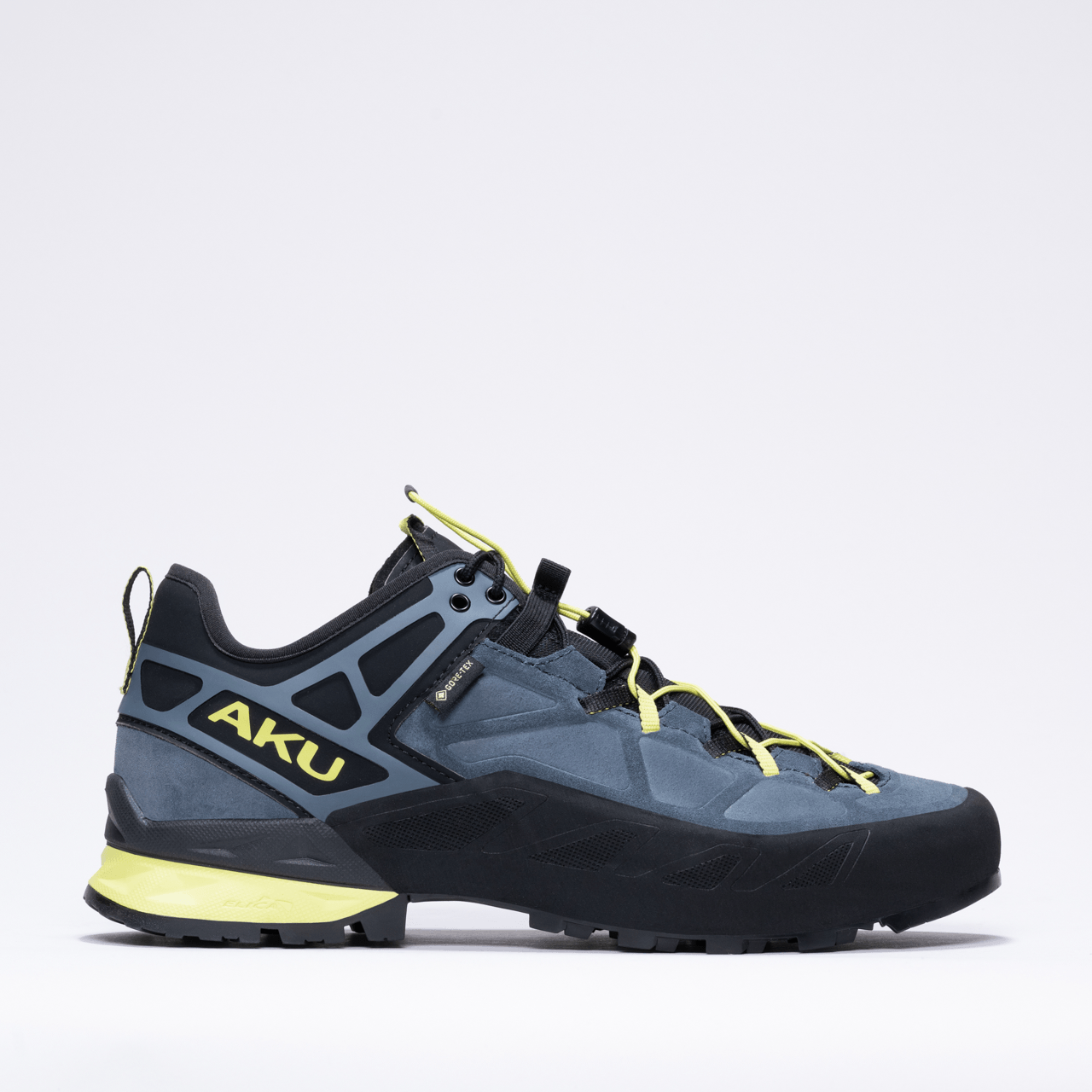
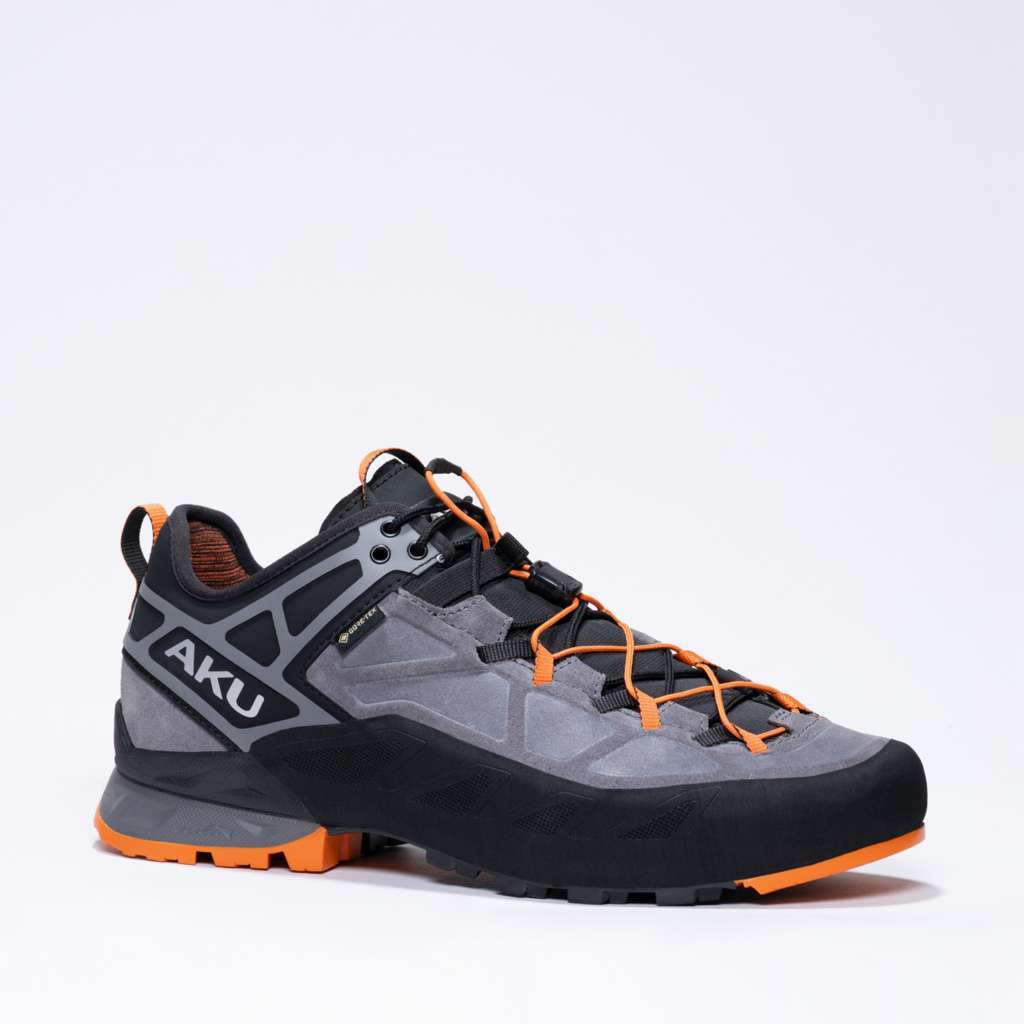
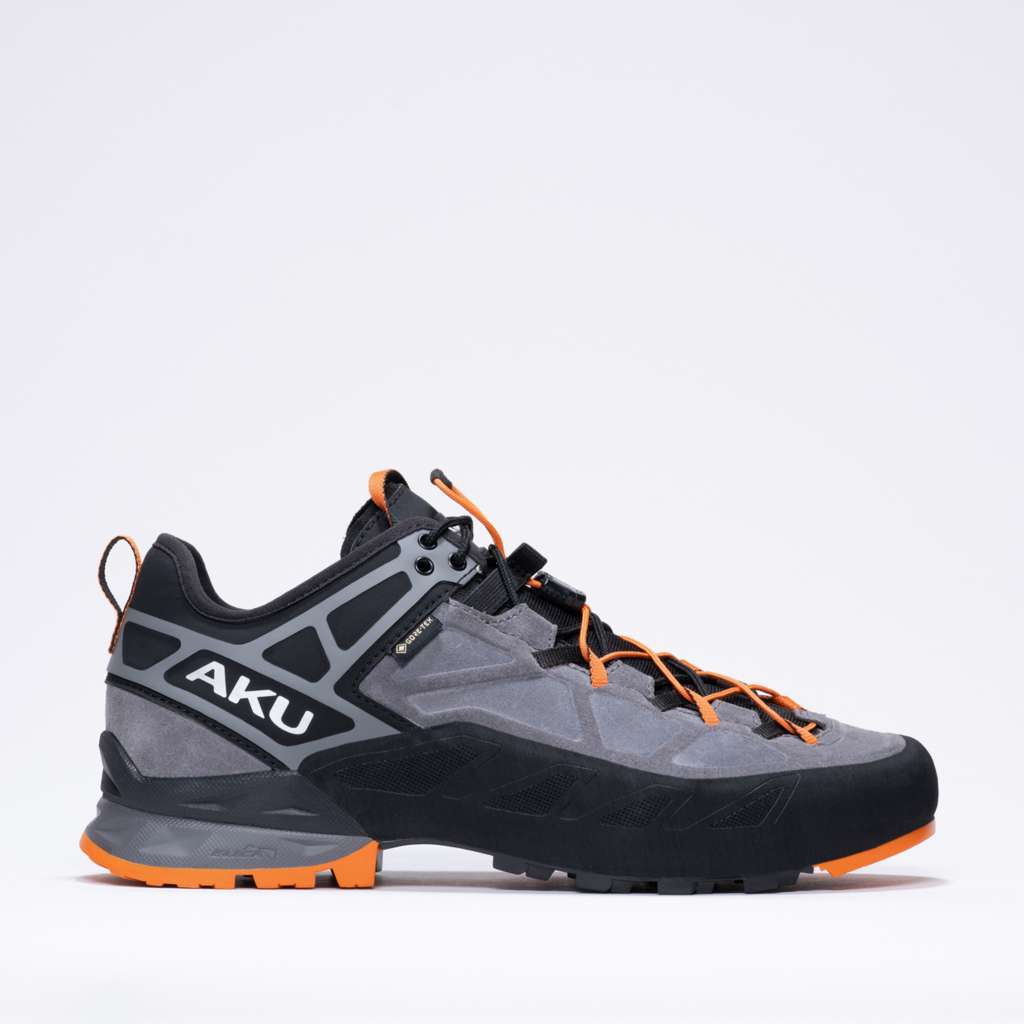
    Approach shoes are footwear designed for excursions that lead to cliffs or rock faces. Offering good sensitivity, they are also suitable for short rock climbing sections or via ferratas.

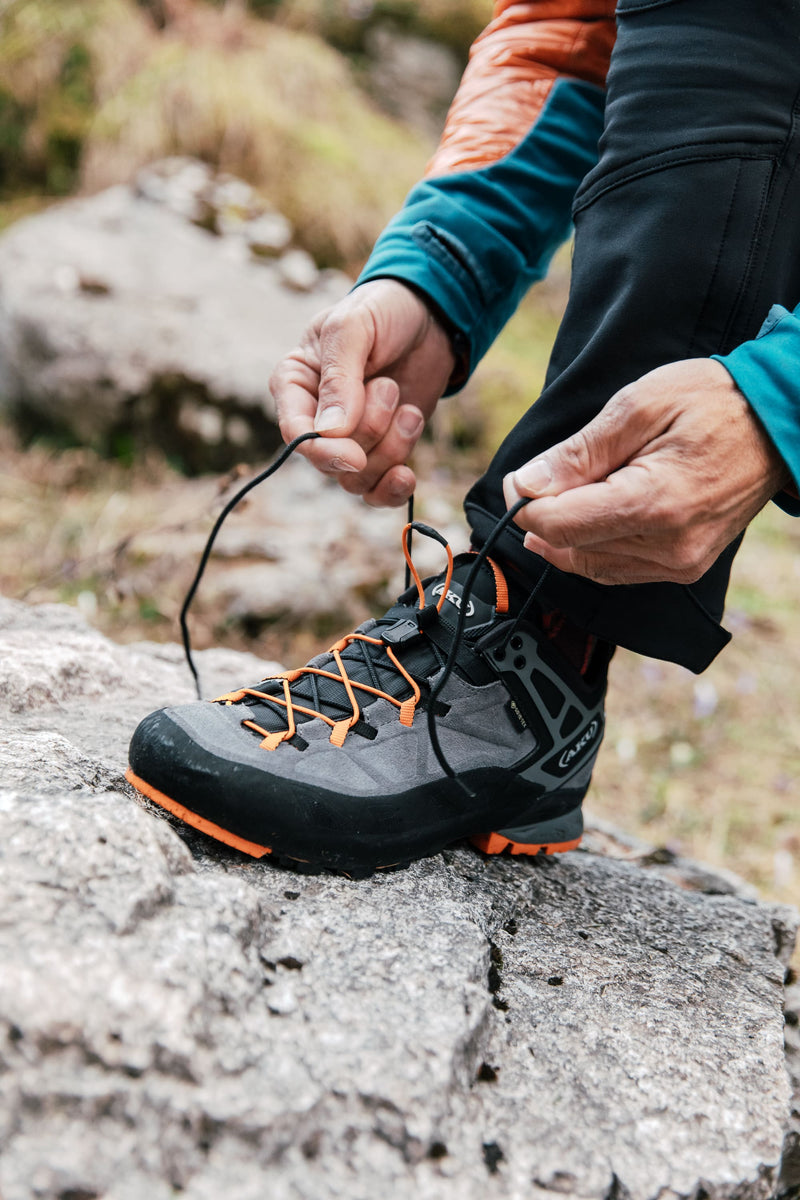
    AKU approach shoes feature DUAL FIT SYSTEM technology: double lacing that improves the fit and adaptability of the product depending on the activity being performed.

    Questions and Answers

    What are approach shoes for?

    Approach shoes are designed for climbers who need to walk on mixed terrain before reaching the rock, combining lightness and traction.

    How to choose approach shoes?

    When choosing your approach shoes, make sure they have the following features:

    • Versatility: Combining the features of hiking shoes and climbing shoes, they are suitable for various types of terrain.
    • Suitable Sole: They have rubber soles with good grip, designed to offer traction on rocks and slippery surfaces.
    • Comfort and Support: They offer good foot support, making them comfortable for long walks, without sacrificing the sensitivity needed for climbing.
    • Lightweight Design: Compared to hiking boots, they are generally lighter and more flexible, facilitating movement.
    • Durable Upper: Made with abrasion-resistant materials, they protect feet from debris and rock.
    • Secure Closure: Many models have lacing systems that allow for a customized fit.

    Are approach shoes also suitable for hiking?

    Approach shoes can also be used for hiking, but it depends on the type of trail you have in mind.

    Approach shoes are designed for:

    • Technical or rocky trails, where a lot of grip and precision are needed
    • Short or day hikes, on varied but not too muddy or wet terrain
    • If you want a lighter and more precise shoe than a hiking boot
    • When good toe protection and grip on rock are needed

    However, if the trails you'll be tackling are muddy, snowy, or have slippery grass, are particularly rough, and you plan to use your footwear for several days, then it's definitely better to choose a classic hiking boot, which will offer greater foot and ankle support, stability, and cushioning.


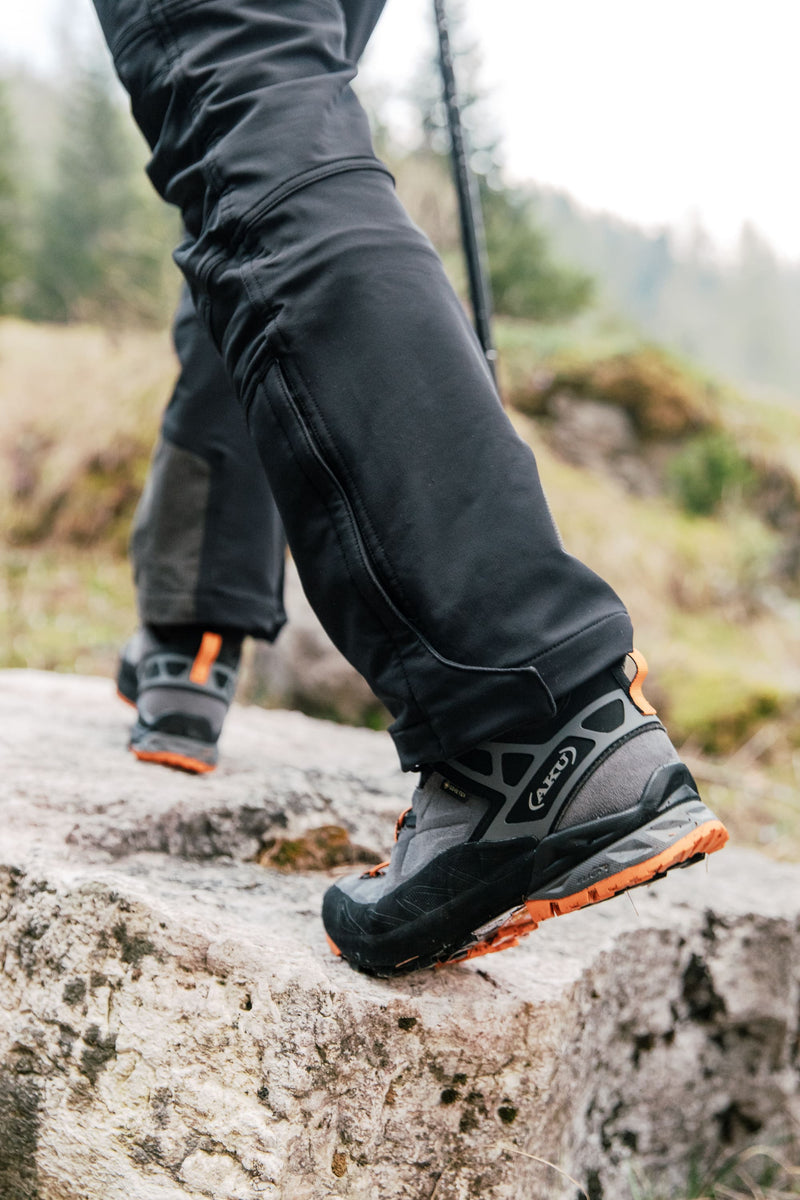
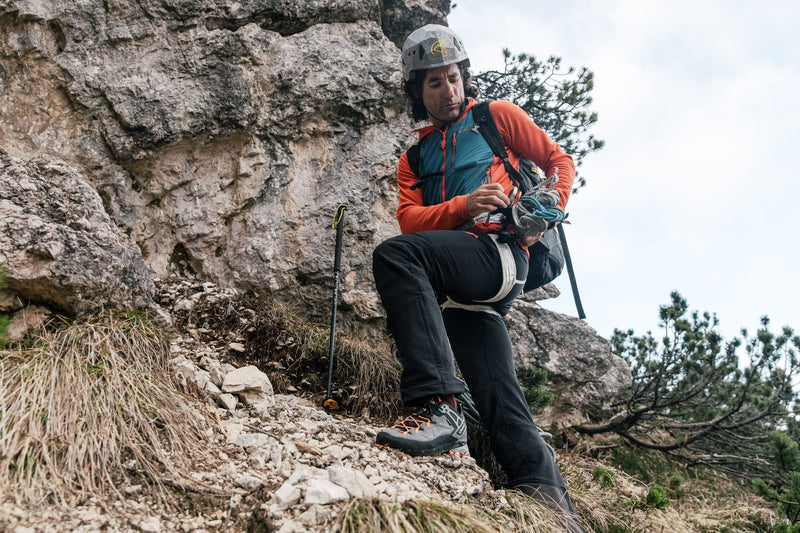
    Rock DFS II GTX in action